
- B-2/5 Safdarjung Enclave, New Delhi-110029
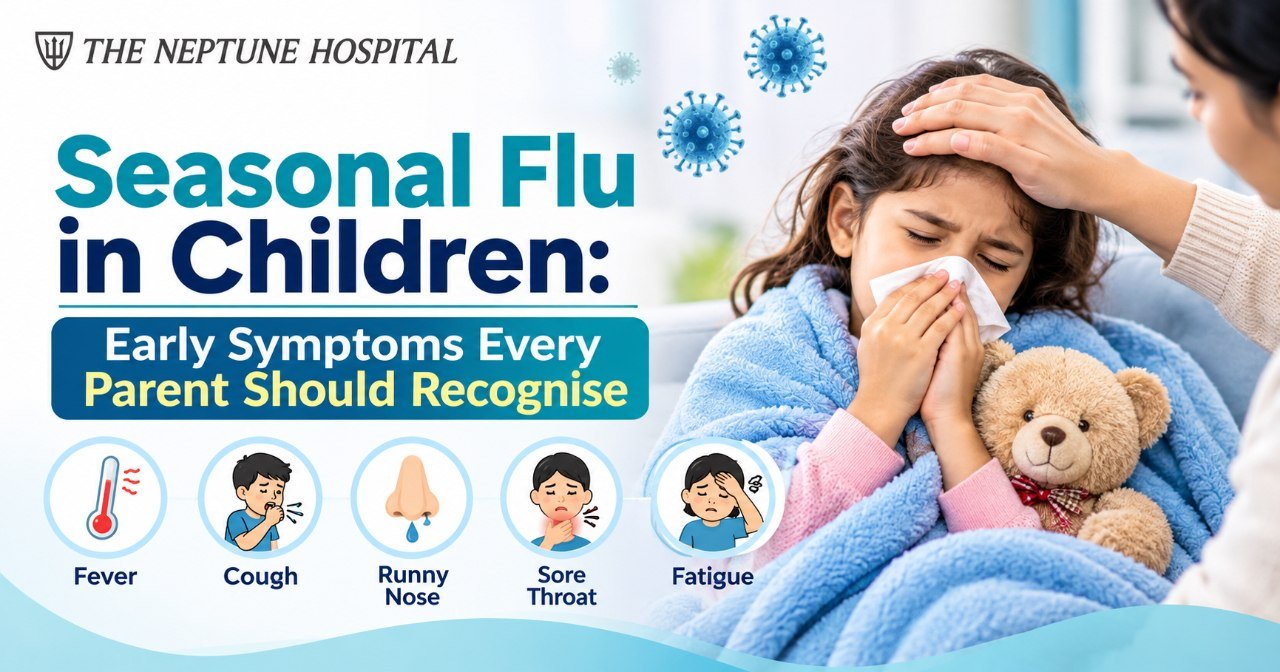
Seasonal Flu in Children: Early Symptoms Every Parent Should Recognise
As the weather changes and temperatures begin to drop, children become more vulnerable to seasonal infections, particularly influenza, commonly known as the seasonal flu. A sudden change in temperature, increased exposure to infected individuals, and close contact with other children at school or daycare can make it easier for respiratory infections to spread.
While seasonal flu may initially resemble a common cold, its symptoms can sometimes become more severe, especially in infants and young children. Recognising the early warning signs can help parents seek timely medical attention and prevent potential complications.
At Neptune Hospital, we believe that awareness and timely paediatric care play an important role in protecting children's health during seasonal changes.
What Is Seasonal Flu in Children?
Seasonal flu is a contagious respiratory infection caused by influenza viruses. It primarily affects the nose, throat and lungs and spreads through respiratory droplets when an infected person coughs, sneezes or talks.
Children, particularly those below five years of age, may be more vulnerable to flu-related complications because their immune systems are still developing. Children with asthma, heart conditions or other underlying health problems may also require additional medical attention.
Early Symptoms of Seasonal Flu Every Parent Should Recognise
Flu symptoms can appear suddenly. Parents should watch for the following signs, particularly during the winter months.
1. Sudden Fever and Chills
A sudden rise in body temperature is one of the common symptoms of influenza. Your child may also experience chills, sweating or discomfort. However, not every child with flu develops a fever.
2. Persistent Cough and Sore Throat
A dry or persistent cough, throat irritation and pain while swallowing may indicate a respiratory infection. If your child's cough becomes severe or is accompanied by breathing difficulties, seek medical attention.
3. Runny or Blocked Nose
Nasal congestion, sneezing and a runny nose can make it difficult for children to sleep, eat and breathe comfortably, particularly in younger children.
4. Unusual Tiredness and Weakness
If your normally active child suddenly becomes tired, less playful or unusually sleepy, it could be an early indication of flu. Children may need more rest than usual while recovering.
5. Body Ache and Headache
Muscle pain, body aches and headaches are common flu symptoms. Younger children may not be able to explain their discomfort clearly, so parents should look for signs of irritability or reluctance to move around.
6. Loss of Appetite
Children suffering from seasonal flu may refuse food or show less interest in eating. Some may also experience nausea, vomiting or diarrhoea. Maintaining adequate fluid intake is particularly important during this time.
7. Irritability and Changes in Behaviour
In infants and toddlers, flu symptoms may appear as excessive crying, restlessness, reduced activity or difficulty sleeping. Babies may also feed less than usual.
How Can Parents Protect Children from Seasonal Flu?
Although seasonal flu cannot always be prevented, a few simple precautions can reduce the risk of infection.
- Encourage regular handwashing: Teach children to wash their hands with soap and water, especially before meals and after returning home.
- Maintain respiratory hygiene: Encourage children to cover their mouth and nose while coughing or sneezing.
- Avoid close contact with sick individuals: Keep children away from people experiencing flu-like symptoms.
- Maintain a balanced diet: Include seasonal fruits, vegetables, protein-rich foods and other nutritious meals.
- Ensure adequate sleep: Proper rest supports overall health and recovery.
- Keep vaccinations up to date: Consult your paediatrician about the annual influenza vaccine, particularly for children at higher risk of complications.
When Should You Consult a Paediatrician?
Most children recover from seasonal flu with appropriate care and rest. However, parents should not ignore symptoms that become severe or continue to worsen.
Seek immediate medical attention if your child experiences:
- Difficulty or unusually fast breathing.
- Bluish lips or face.
- Severe dehydration, such as very little urination or a dry mouth.
- Unusual drowsiness or difficulty waking up.
- Persistent chest pain or severe weakness.
- Fever in an infant younger than three months.
If your child is below five years of age, particularly below two years, consult a doctor early if flu symptoms develop.
Avoid giving antibiotics or over-the-counter cold and cough medicines without medical advice. Antibiotics do not treat influenza because it is caused by a virus. Depending on the child's age, symptoms and risk factors, a doctor may recommend antiviral treatment.
Keep Your Child Protected with Timely Paediatric Care
Seasonal flu may begin with mild symptoms, but recognising the warning signs early can make a significant difference to your child's recovery. Parents should pay attention to sudden changes in their child's behaviour, appetite, energy levels and breathing.
At Neptune Hospital, children receive medical attention and paediatric care focused on their health and well-being. If your child develops flu-like symptoms, consult a paediatrician for an appropriate evaluation and treatment plan.
For parents looking for the Best Pediatrics And Neonatology Hospital in Delhi, choosing timely, reliable and specialised child healthcare is an important step towards ensuring a healthier childhood.
Remember: Early recognition, timely medical advice and preventive care can help protect your little ones during the changing season.
All Blogs
- ⇒ Seasonal Flu in Children: Early Symptoms Every Parent Should Recognise
- ⇒ Health Anxiety in the Digital Age : How Online Symptom Searching Affects Mental Health
- ⇒ Endometriosis in Women: Symptoms, Diagnosis, and Treatment Options
- ⇒ Cancer in Young Adults: Causes, Awareness, and Prevention
- ⇒ Why Self Medication Can Be Risky The Importance of Consulting a Doctor
- ⇒ Joint Pain That Won't Go Away, Here's When You Need an Orthopedic Specialist
- ⇒ How Healthy Are Your Lungs? 12 Warning Signs You Shouldn't Ignore
- ⇒ 10 Common Skin Problems During the Monsoon and How to Prevent Them
- ⇒ Managing Respiratory Allergies in Rainy Season
- ⇒ Chemotherapy Myths and Facts Every Family Should Know
- ⇒ Chemotherapy vs Radiation Therapy: Understanding the Difference
- ⇒ Best Winter Exercises for Strong Bones & Healthy Joints
- ⇒ Top 5 Mistakes to Avoid When Choosing the Best Maternity and Gynaecology Hospital in Delhi
- ⇒ Why Women’s Health Needs Special Attention at Every Stage of Life
- ⇒ How Stress Affects Your Gynecological Health and Ways to Cope
- ⇒ What Is Polycystic Ovary Syndrome (PCOS) and How Can a Gynecologist Help?
- ⇒ Your First Gynecologist Visit What to Expect and How to Prepare
- ⇒ The Silent Struggle | Understanding and Treating Muscle and Joint Pain